
Home >> What is Landscape Photography? The ultimate guide to Landscape Photography in 2022 >> Fine Art Landscape Photography | Mastery For Beginners
Fine art landscape photography. What is it, and why should you care?
The moment you discover your new found love for photography is a moment most photographers can recall. For me, I had no idea that I could ever be interested in photography. If you had asked me at the time, I would have said photography is a waste of time and a thing of the past.
That was before I got lured in to an Fine Art Gallery.
I was in the Mall at Ceasars Palace in Las Vegas. I had no intention of going in initially, but the photos in the gallery window were stunning. The place had a feeling of class and elegance about it.
I had some time, and thought why not take a look?
The work on display showed life representationally, but there was something special about how the photo’s were presented.
The colours were punchy and vibrant; the light was painted with an emphasis which allowed my eyes to flow through the picture with intrigue. There was almost a dreamy feel to the work.
The gallery salesperson, when speaking of the work, referred to it as fine art. I had no idea what this meant. I was an eager to learn newbie with my eyes wide open. Fine Art just sounded like a marketing gimmick to justify the big price tag on the work.
When I got home i did some research into this fine art photography; I was fascinated and found a mass of information.
There was an element of confusion, however…
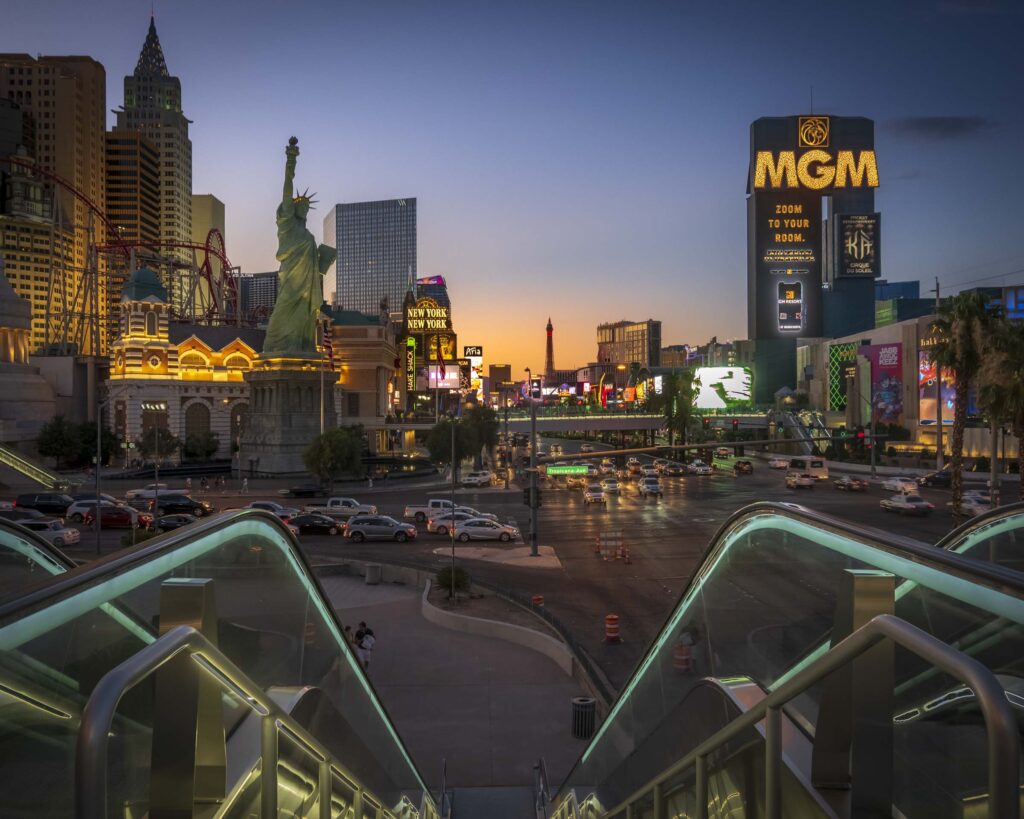
What is Fine Art Landscape Photography?
So, what exactly is Fine Art Landscape Photography?
When I tried to find out for myself, there were so many different definitions online.
It almost seems like every photographer, artist or content creator has their own definition. I did find one definition which stuck with me though…
Starting With The Definition
“creative art, especially visual art whose products are to be appreciated primarily or solely for their imaginative, aesthetic, or intellectual content.”
That’s the definition of fine art from the Oxford Languages Dictionary.
It’s quite a broad definition. I’m sure a lot of art falls into this definition.
After all, it can be said that art is the expression of human creative skill, typically in visual form and appreciated for its beauty.
So, what makes a piece of artwork, fine art? To me, it sounds like a brag. Mine isn’t just art, it is finest of art! Sounds quite egotistic, doesn’t it?
Jokes aside, when we’re speaking about fine art in photography, there is much more of a focus on the photographer as an artist, rather than the photo.
What do I mean?
Fine Art Photography places a lot of the focus on the message the artist trying to tell, or the emotion they are trying to provoke in the viewer. What is it they trying to communicate through their work?
Rather than documenting the scene or subject with 100% realism, the photographer often uses creative imagination to evoke emotion or use their work to communicate a message to the viewer.
This can be done in may ways; we’ll explore some our top tips for creating fine art photography later in this article.
Fine Art in photography differs from other types of photography such as Photojournalism. Here the photographers main aim is to tell a story or communicate life through photographs; there is no artistic creativity in Photojournalism.
That’s what I personally love about Fine Art Landscape Photography, You get to put your stamp on your work as an artist. You can develop your style and make your work your own.
Types of Fine Art Photography
One of the best things about Fine Art Photography is that is can be applied to most photography sub-genres, no matter what you enjoy shooting.
Whether you have a passion for Landscape Photography like us here at finershots, or enjoy shooting architectural cityscapes as an example, fine art is all about portraying your message as an artist.
You’re now an artist interpreting the world around you and using your work as a medium to communicate to the viewer.
It may be a message you want to communicate, or it might be an emotion. The key takeaway here is that rather than having to shoot representationally (ie. How you see things), you have freedom as an artist communicating through your work.
Your camera is to you, what a paintbrush is to an artist. It’s up to you as an artist to decide on your style and get creative.
Whilst you can take a fine art approach to most photography, there are a few popular genres which really work well…
Let’s explore our top 4 photography genres for Fine Art Photography
Landscape Photography
Looking online, I saw a variety of work claiming to be ‘Fine Art’ but it wasn’t all the same style or genre. On one extreme there were vibrant landscapes similar to that in the gallery. On the opposite side of the spectrum there were dark, gloomy portraits. There were even black and white abstract images.
With so many completely different photographs claiming to be fine art, what makes each the photograph fine art?
You quite often hear the words ‘Fine Art’ when associated with painting and photography, but what exactly does it mean? Like most art, it’s highly subjective, open to interpretation and widely debated.
This article is going to explore what Fine Art Photography is, and how it can be applied to your love of Landscape Photography.
Strap in because this is going to be a good one!
Being a website with a bias towards Landscape Photography, of course Fine Art Landscape Photography just had to be at the top of our list.
What I love about this genre is the fact that you’re always working at one with nature. One of my favourite things about Landscape Photography is shooting during the golden hour, and even into the blue hour.
Over just the course of a few hours, it’s fascinating to watch the scene evolve from a fiery sky to a blue glow, as the light and colours change with the sunset.
If you’re lucky enough to have the right clouds and atmospherics you can really capture some spectacular photos and colours even a painter could only dream of!
There are times where the images I’ve captured are so dramatic and emotive, that it takes very little post-processing to add your artistic touch. It’s sometimes hard to believe the images came right out of the camera – that’s testament to natures beauty more than my photography.
It’s these epic landscape shot’s that make the best fine art pieces in my opinion.
Another benefit to photographing landscapes is you can use filters and other gear to add that special touch to the image.
For example, you can use a ND Filter to create a long exposure of a waterfall. The blurred water creates a smooth natural feature that draws in the viewers eyes.
If there was one genre of photography which is suited perfectly to the world of fine art, it is Landscape Photography.
Portrait
Portrait Photography is one of the more popular genres in the world of Fine Art Photography.
If you Google “Fine Art Photography”, and click on the images tab, most of the results you’ll see are portraits of some kind or another.
The portraits vary greatly – there was the classic and timeless look of soft lit skin tones contrasting against a dark backdrop. On the other end of the spectrum, i found photos where the photographer used the most creative of post processing techniques to turn their subject in to a gravity defying spectacle. There really are no limits!
I hadn’t considered using fine art in Portrait Photography until writing this article, which is why I referred to my trusty companion, Google. Much of my focus is on Landscape and Cityscape Photography, as it’s were my passions lie.
Lucky for you folks though as I did however find this great article by the team at fstoppers. It’s worth checking out after reading this article if you want to try out Fine Art Portrait Photography yourself.
Still Life Fine Art
Still Life is a genre of photography which naturally falls into the category of fine art.
The arrangements in Still Life Photography involve a lot of creativity on the part of the artist. From the arrangement of the objects, to the background… it really is all about the artist’s vision.
For those of you who I lost at Still Life Photography… I’ll give you a down and dirty on what the genre is and why it’s popular in the fine art scene.
We’ve probably all experienced still life art at some time in our lives without even knowing it.
Most of us have been in the hotel room or restaurant, and seen that artsy picture on the wall of some fruit in a bowl…or the vase. Yes, you know the one.
That’s one example of Still Life Photography. An artist takes an otherwise boring object and organises it in a way which portrays their artistic vision, message, or emotion.

Black and White
Another one of the most popular go-to styles for Fine Art Landscape Photography is using Black and White.
It’s not hard to see why, the contrasting tones creates a sense of drama and atmosphere which evokes emotion. The use of contrast to guide the viewers eye through the photo is also a popular method used in Black and White Photography.
The use of dark tones and shadows in Black and White Photography is often used by the photographer or artist to create a sense of moodiness or solemn. I love this technique as a great tool for getting your artistic vision or emotion across to the viewer.
If you’re anything like me, I viewed Black and White as a relic of the past when I was just starting out on my photography journey. That was a serious mistake, and in hindsight, it should be a tool in every budding photographer’s toolbox!
Lucky for you we’ve created the Ultimate Guide To Black And White Landscape Photography which will help you on your way to photography mastery.
That is why in a lot of ways some Still Art Photography is considered fine art. Before photography, still art was popular with painters which is another connection to the fine art world.
There are other types of Still Life Photography you may be familiar with, such as Food Photography, Tabletop Photography and Product Photography.
If you’re looking to expand your photography horizons and try out something new and interesting, still life is definitely worth a try. You can also try this style from the comfort of your home, which I found made the time fly during lockdown!
Fine Art Landscape Photography Tips
We’ve explored what Fine Art Landscape Photography is, and given you some examples…
Now it’s time to get in to the thick of it as I give you my top 5 tips for shooting Fine Art Landscape Photography. Get your notepad ready because you don’t want to forget these!
How To Create Fine Art Landscape Photography
Tip 1 - Start With Purpose And Intent
Many of us today fall into the habit of being reactive with a camera rather than proactive. What do I mean?
Ever gone out with your camera with no plan? Yup, me too! We all have right?
Sometimes that’s nice. You enjoy the experience more, feel less pressure to get shots and may end up with some good photos that you weren’t expecting. As good as this is, I feel my results improve when I approach Fine Art Photography with the end goal in mind.
By starting off with the end result in your mind, you’re capturing the subject for a purpose.
It is planned and calculated rather than a random shot. As a result it’s likely to have have some kind of meaning to you.
Maybe there’s a message you want to communicate. Perhaps you want to create a timeless shot, which gives the viewer creative freedom to interpret your work using their own imagination. Regardless, it’s a shot for a purpose rather than reacting to the landscape and environment.
With cameras readily available today in many forms, from Mobile Phones to Drones, most of us shoot first and pick the best shots from the bunch after the fact. I’m guilty of this from time to time.
This is reactive because you’re letting the environment or spontaneity dictate your results.
One of the best ways to tell if it’s fine art you’re shooting is to think like an artist. If fine art is being used to provoke emotion or send a message, then it’s likely being created to be displayed like a painting would.
Thinking like other artists can help keep us on track when the intention is to create art with our camera.
You’re unlikely to find a painter going out and spontaneously painting a number of random subjects until they create something they like. Painting takes time and care, as should we with our shots.
Professional artists take time to craft their painting into a piece which portrays their message or spreads emotion; some pieces take months to complete.
By thinking about your photography in this way, you’ll not only get better results, but it will help you connect with the viewer in the way you intend.

My own personal example comes from the tree pictures above. I found this out walking a trail in the winter, but the tree looked a lot different from how it is pictured here. It had no leaves and the ground was recently ploughed…with the UK rain, it was a mud bath!
I loved the composition though, and thought it may look great in the summer months. So I waited, and along came more favourable conditions. My artistic vision isn’t complete here though.
The scene is missing some more action in the sky in my opinion. I would love to capture it with wispy magenta clouds as the sun sets, so this is still a work in progress.
I feel it provides a good example of the point I’m trying to make. I’ve set a goal of trying to shoot the tree in a particular way to achieve my artistic vision.
Many of the professionals return to locations year after year in search of the perfect way to capture their subject. For example, the sun may only be in the perfect conditions for the shot a few days of the year. If there is bad weather over those days, you vision gets set back another year.
Fine art takes time to craft, but starting off with the end in mind helps us yield the results we envision.
Tip 2 - Discover Your Style
One thing that professionals in the creative arts world do incredibly well is craft their unique style. They leave their own mark on their industry.
Think about it…
Much on Vincent Van-Goghs’ work is easily recognised by his use of bold colors and his heavy brush strokes.
In the photography world, Ansel Adams is famous for his high contrast style of Black and White Photography. Even in the music world the guitar riff of Guns n’ Roses is one of the most recognised to this day.
That’s just to name a few. But you get the idea. These artists are famous and easily recognised by the unique style they crafted over years of hard work.
I’m not saying you should wake up and start shooting like Ansel Adams. I’m saying you should work on finding your own style.
Easier said than done, I know, and I’m still finding style. Even a lot of these artists’ work evolved over their lifetime as their skillset grew and their tastes changed. But it’s part of the creative journey.
So how do you discover your style? It’s a hard one…I know.
I started by finding work that inspired me and by trying to imitate it. I’m not saying to copy and claim credit for another artist’s work – that’s not cool! But you can learn a great deal from using some of the techniques other creators use to get similar effects in your own work.
The best way to do this is through tutorials, and by going to workshops that accomplished photographers run.
After time, as you grow and gain influence from multiple sources you’ll start to find your style. This will enable you to better communicate your message and emotion through your work. It will also help meet people with a similar love for photography, and improve the technical side of your craft too!
Tip 3 - Don’t Hold Back In Post-Processing
One of the best things about Fine Art Landscape Photography is it gives us a creative outlet to express ourselves as individuals.
There are often a lot of critics in the creative community – when people see work which doesn’t alight with their own creative tastes, it’s human nature to criticise. That’s okay, and they’re entitled to their opinion like you and I.
But we are all individuals with our own tastes and likes. Think about it…life would be much more boring if we all liked the same things.
Fine Art Photography is a great way way to express yourself. It’s your art, and what you create should be in alignment with the message and emotion you want to pass on to the viewer regardless of what critics say about your work.
If you want to use bold expressive colours, do it. Don’t let other people’s opinions detract from your message. Not everyone will like your work, but that’s okay. Just the same as you don’t like every photo that you see in life.
Stay true to yourself.
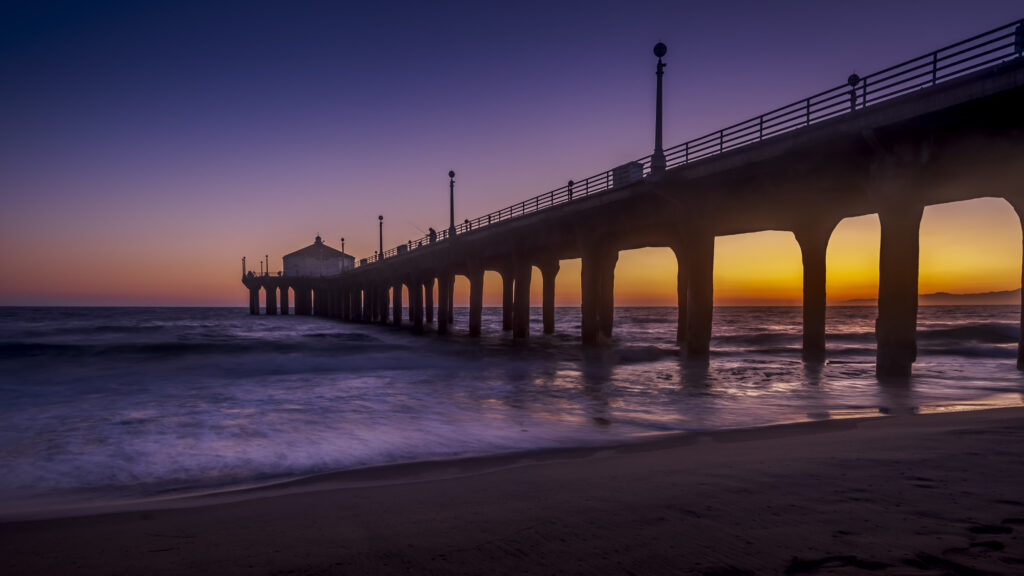
So why did I mention post-processing?
Everyone has an opinion on post-processing. How much is too much?
It seems to be a contentious topic in the photography community in some areas. It’s a hot topic. For example, does it count as fine art if it’s photoshopped? And even if some post-processing and editing is allowed, where do you draw the line?
Where lies the boundary between reality and a creative imagination? This interesting article discusses just this topic. It’s an interesting read.
The main takeaway from the article and tip 3 is with Fine Art Photography, you’re creating art. Don’t be afraid to go crazy in the post-processing if that’s what your artistic vision involves.
You are creating art here. You’re not as bound to the rules as you are when shooting Photojournalism or Commercial Photography, for example.
Tip 4 - Make Use Of Your Photography Gear
No doubt, many of us have got gear that we completely forgot about sitting at the bottom of our camera bags, or at home in a drawer somewhere.
To get the best results in Fine Art Landscape Photography, using the best tool for the job is key.
There will be some of you out there who may have got a new lenses over the course of your photography journey, and ended up forgetting about other perfectly fine lenses. We’ve only got so much space in our backpacks, so perhaps the ‘old’ lens is in a drawer collecting dust.
Consider all options. That prime lens that used to be your go-to may be the best tool for the job in certain situations.

Make use of filters too. ND Filters are perfect for Fine Art Photography, as they create great effects which produce stunning photos.
Again, our unique tastes come in to play here as some people don’t like long exposures. Some argue it isn’t capturing life as we see it.
I’ll leave you to make your own mind up.
Long exposure photography is definitely worth having in your fine art toolchest, as the effects on the clouds and water can add a sense of calm to your image.
I find the blurring of the clouds leaves me with a felling of dreaminess. It’s almost like I’m daydreaming and watching the world go by.
The effects you can get with this technique can be stunning – it’s definitely worth trying this out!
Tip 5 - Return To The Same Location…Over And Over
In the words of Michael Kenna:
“The conversations I really like to have are with the same person, many times; people I’ve known for years and years. The conversation is deeper somehow, more intense. The roots are deeper, and so it becomes more interesting. A friendship is a relationship; it’s a history. That’s why I can keep going back to these places.”
Kenna is renowned for his work in Black and White Fine Art Photography. We can all learn a lot from the statement Kenna made in 2015 when speaking about the work he did in France.
A lot of the more experienced photographers reading this will certainly be able to relate. The connection you form with a place when you return to shoot repeatedly can be special.
It’s like you’re capturing your journey through life with this place, as Kenna says, like an old friend.
This may not click with some readers, but there are many benefits to retuning to the same location.
You get to experience that same scene in different seasons and conditions. The more you visit, the more likely you are to capture the shot which perfectly displays your artistic vision.
You can also collate a body of similar work to create a project on a subject. Many fine art coffee table books are created this way.
Starting with a project is also a great way to maintain momentum on your journey as a photographer. You have something you’re continuously working towards.
Having a project also enables you to display maturity as a photographer in your portfolio – it’s not fleeting ambition to be a photographer but a project that you turn up for over a long course of time.
How To Edit Fine Art Landscape Photography
Now that you’ve gone out there and got some meaningful photo’s that you want to display as fine art, it’s time for post-production.
To some that will involve many hours in a dark room. For others it will be using the modern methods afforded to use through computer software.
I find, the best way to learn is by watching, so we have created this Fine Art Landscape Photography Editing Tutorial for your viewing pleasure. Enjoy!
How To Create A Photography Portfolio
If fine art is created to be viewed, then we need somewhere for our viewers to view it.
The super serious and experience among you may open a shop to display your work. If you’re not already making money from your work this will be a big gamble. Real estate overheads can be expensive.
For the most of us opening a shop is simply not practical. We have full time jobs and other life commitments. So, what’s the best way for us to get our work viewed?
If you haven’t created your very own photography website yet, then it’s something I highly recommend.
Creating a website for your work is a non-negotiable in this age of technology if you want to take your work to the next level and attract publishers. Galleries and publishers alike will expect you to have a website as a minimum.
As I write this article in the summer of 2021, this is becoming more of a topical subject. If you’re like me, and most other photographers for that matter, you’ve probably used Social Media platforms such as Instagram to get your work out there.
Well, there’s some news that’s been released over the last few weeks which may change how viable this platform is for photographers.
If you missed it the CEO of Instagram, Adam Mosseri, said in a recent interview “We’re no longer a photo-sharing app or a square photo-sharing app”.
The intentions for Instagram to position itself to compete with Tik Tok is clear. This is significant because many photographers have used Instagram as a medium to promote their work, and grown their personal brand.
The immediate reaction that I’ve personally witnessed is a flock of photographers heading to Twitter, a site which isn’t designed for photo-sharing.
There is a lesson to be learned here. When you publish your work on the likes of Instagram or YouTube, you open yourself up to platform risk. That’s another reason why it’s vitally important to have your own URL and site to display your work.
Yes, it may not get promoted as quick or go ‘viral’ as on social media, but the space is yours. You reduce your risk of people not being able to see your work. I’m not saying don’t use social media, just focus on creating your own platform for your content.
If you do have big exposure and followers on these platforms, then your goal should be to at least get them aware of your website, or part of a mailing list.
So how do we do all of this? Creating a website sounds complicated, doesn’t it?
Were lucky enough to live in the 21st century, and there are now companies that make it easy for even the biggest technophobes to easily create a site.
Check out this video from Serge Remelli on how to set your website up with Slickpics.
This video is fantastic, and one that I’ve used personally. I am, however, working on creating a finershots guide to creating your own portfolio website in 2021. Stay tuned!
What Gear Do I Need For Fine Art Landscape Photography?
We’ve established what fine art landscape photography is, why you should be doing it, and given actionable steps towards creating fine art photography you can be proud of.
The next question is: What gear do you need to create fine art landscape photography?
We’ve already touched on some essentials when creating Fine Art Photography, but let’s delve deeper into what equipment you need. We’ll also look at not only what you need, but what will help you get the best results.
Best Camera For Shooting Fine Art
This is quite a subjective question and will vary from person to person. Technically speaking, the best camera on the market may be a £6000 medium format camera with the latest features.
Clearly, this isn’t going to be the best choice for everyone. That may suit a pro, but is probably a bit excessive for the weekend hobbyist.
We’re are quite lucky in the 2021. Even the cameras on the low end of the price range are more than good enough to get great fine art shots.
But I’ll add the caveat that it depends on your end goal. A lot of mobile phones have camera’s good enough to make fine art. There are also a number of apps available for post production.
But if your end goal is to display you work on a large print, you’ll ideally need something a bit better suited to the job.
Can you blow up and print shots taken on phone cameras? Absolutely. Will the quality be great? Well that depends how big you want to make the print. Generally speaking, the larger the print the more the quality will deteriorate; there simply isn’t enough detail captured by the small sensor in the phone.
If you’re looking to get serious about Fine Art Photography, you’ll likely be printing your work, displaying and possibly even selling it.
I know for me my ambition with Fine Art Photography is to hang my best work in my house. It provides a sense of personal pride and a memory of some of the fantastic places I’ve been lucky enough to visit.
When printing and framing your work you want the best possible quality coming out of the camera. As with any camera, any imperfections and problems with image quality become ever so more apparent when the photograph is enlarged.
To combat this, we ideally want a camera that produces the best image quality. This becomes increasingly more important the larger you print your work.

So, what are the options?
I would first start by looking at sensor size. When it comes to sensors, as a general rule, bigger is usually better.
The larger the sensor, the more light the sensor can take in during a single exposure. This makes large sensors great during low light conditions.
Also, the larger the sensor the more space there is for megapixels on the sensor. This means more detail, less noise and better image quality.
Another way of describing this is with reference to the resolution of the camera. You may see a camera with a full frame sensor, and another with a APS-C sensor with the same resolution. (Ie. Both 24MP for example).
They may have the same resolution, but each individual pixel will be bigger on the full frame, as there is more physical space to fit the 24 million pixels. This means they larger pixels take in more data and produce better images.
So what does this all mean for you?
If I was starting out in photography with a view to print my work at some stage, I would get an APS-C sensor camera. Some APS-C’s on the market are better than some of the full-frame models from just a few years ago in terms of image quality.
These APS-C Camera’s are generally a lot cheaper than full-frame and medium format cameras, and are great to refine your photography skills on. In terms of models, I love the Sony A6600, and the Fujifilm XT200 models.
If you’re looking to produce large prints to sell I would recommend either a full-frame or medium format camera. Full frame is likely big enough for most photographers, but the detail you get from the medium formats on the market is insane!
I personally shoot with a Sony A7III which is great as a step up from APS-C to Full frame. The best full-frame options on the market in my opinion are the Sony A7RIV and the Canon R5. Both are top-end for still photography.
I haven’t had a chance to use the new Fujifilm Gfx 100S medium format camera, but I’ve heard a lot of good things in the reviews. This model is more suited for commercial photographers.
Best Lens for Fine Art Photography
When creating Fine Art Landscape Photography one key ingredient in your recipe for success is a top-quality lens.
Whilst having a camera with a great sensor will get good results, the factor that will really accelerate your work to the next level is having top quality lens.
When I first got into photography, I found myself spoiled for choice when selecting a camera. There are so many models out there, and even the most basic beginner model will yield great results.
A revelation came for me when I started to get more serious about photography, and started following some of the pros. Beforehand I though most lenses were created equal. Some zoom a bit more than others…simple right? After watching the pro’s it became obvious the having a different selection of high quality lenses give you much more flexibility as a creator.
Lenses are expensive pieces of kit though, so it’s important to understand what outcome you are looking for before spending that hard earned cash.
Here, I’ll focus on the wide angle and telephoto lenses, as most photographers have a lens that covers the standard focal length. Let’s dive in…
Wide-Angle Lenses And Why They're Essential Kit For Every Landscape Photographer
Some of the first images that drew me in towards landscape photography were the scenic wide shots…
You must have experienced them!
The types of image that capture a stunning sunset, grand mountains and a complementary foreground; all crisp, perfectly in focus in a single shot.
These are the photos that make great fine art in my opinion. They’re the perfect shots for printing and framing – I just love the perspective a wide-angle lens offers.
Wide angle lenses are commonly associated with landscape photography, and for good reason.

Using a wide-angle lens gives you versatility.
Due to the depth of field offered by wide angle lenses, you can often capture both the foreground and backdrop all with crystal clear sharp focus.
They’re also great if you’re limited on space. An example may be if you’ve not got much room behind you to move back to get everything in frame. A wide-angle lens may help and enable you to fit the subject in frame. This also saves having parts of the composition close to the edges of the frame.
Many wide-angle lenses are also available with large aperture too, which helps capture as much light as possible in the shortest amount of time. This can be beneficial for those of you who love Astrophotography.
So now we know the benefits, what are the options?
Wide angle for Full-Frame is loosely defined as 35mm or wider down to 24mm when you’re in the realm of Ultra-Wide. This converts to 24mm and 16mm respectively for APS-C.
Each manufacture produces their own native lens series, which you can’t go wrong with. The downside is these are often expensive. Usually the wider the aperture, the more expensive.
There are 3rd party companies such as Sigma, Samyang and Zeiss which create lenses which are often of high quality at a much lower price point.
Why You Need A Telephoto Lens
I hadn’t considered anything other than a wide-angle lens when I started on my landscape photography journey. But there are times where the wide-angle lens just doesn’t cut it…
One is example is when your subject is distant from you. Picture it now…
You’ve found the grandest of mountains, you reach into your bag and pull out your camera with your trusty 15-35mm f/2.8 attached. After all, it is landscape you’re shooting…but something’s wrong.
The mountain seems insignificant in shot. With the perspective offered from the wide-angle lens, it just blends into the backdrop. The foreground and empty space overwhelm the image, and the composition just doesn’t meet your creative ambition. Disaster!
This is where the telephoto lens is a game changer!
Switching to a telephoto zoom lens brings the mountain to you. It allows you to isolate the mountain from the landscape and make it the focal point of the photo, as you intended.
I love to use this technique when there is a messy or distracting foreground to the subject I want to capture, such as mud or high frequency textures.
This focal length can also help create a minimalistic style, which is very popular in Fine Art Photography.
These lenses can often be expensive, so renting one for the weekend is a great way to test and explore what this focal length has to offer.
Similarly to the wide-angle lenses, each brand produces their own lenses which will be the some of the best quality lenses available, but expensive. There are also 3rd party solutions available at a lower price point.
If you haven’t already got one, a telephoto lens is sure to make a great addition to your camera bag and help you create stunning Fine Art Landscape Photography.
Two Essential Filters For Fine Art Photography
Have you seen the stunning results some photographers get using long exposure to create dreamy clouds and a soft calm ocean?
This is a popular effect used Fine Art Landscape Photography, as it does a great job of conveying calming emotions to the viewer.
There is a challenge in capturing these shots; we’re not always in lighting conditions that allow us to create a long exposure without overexposing the image. So how do the pro’s get around this?
If you guessed that filters may be involved, you guessed correctly.
So, what filters am I talking about and why do we need them?
Let’s explore the two filters every Fine Art Landscape Photographer needs in their bag.
Neutral Density Filters
The first filter I purchased when I got my first camera was a Neutral Density (ND) filter.
I just couldn’t help myself – I’m a sucker for a long exposure, and this is the filter you use to capture those mysterious smooth seascapes.
That effect we see is due to a slow shutter speed.
In our seascape, a high shutter speed would capture crisp sharp images each droplets. It’s near instantaneous, similar to the same way we experience everyday life with our eyes.
But as we slow the shutter speed down, the image we get is the sum of the water activity that happened during the time the shutter was open.
This creates that cloudy mystical effect we often see with waterfalls and seascapes.
This is impossible to capture during daylight, as slowing the shutter speed down slow enough to capture this overexposes the photo.

But lucky for us, some clever soul invented ND Filter to tackle this issue. ND Filters artificially darken the scene, which allows you to slow down the shutter speed and keep the same exposure.
All ND Filters aren’t created equal. There are different filters depending on how much you want to darken the scene. This is measured in f stops of light.
You can even get a variable ND filter which allows you to adjust how many stops of light you reduce the scene by. Neat huh?
I would, however, recommend a standard ND filter rather than a variable for the best results. Similarly, filters come in both glass and plastic options.
Although more expensive and fragile, the glass option is what I would recommend for best results in your Fine Art Photography endeavours. They’re less easily scratched and are of better quality in general.
If you love the effects long exposures produce a ND filter is an essential piece of kit.
Polarising Filter
Next up is the polarising filter.
If you’ve ever been lucky enough to own a pair of polarised sunglasses, you’ll be aware of the great benefits polarised lenses offer.
From the moment you put the sunglasses on it feels like your world becomes a utopia of rich vibrant and colours. That’s without mentioning the added benefit of glare reduction that polarised lenses offer.
Why are we speaking about sunglasses? This is a photography article.
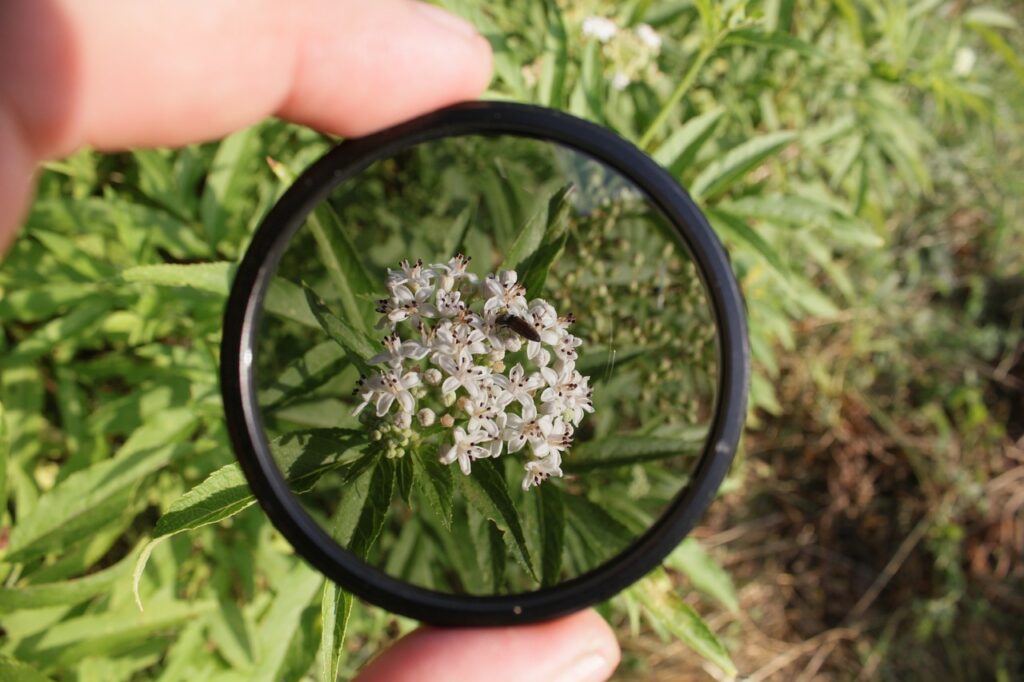
Luckily, this is where a Polarising Filter can help! The filter eliminates most reflected light from surfaces, which leaves your shot clear of reflection glare or other annoyances.
You can even cut right through reflected light to see through the water if it’s clear enough. This also works with reflections from windows and other reflective surfaces.
Landscape photographers commonly use this filter when shooting vegetation and foliage that reflects light.
It’s vitally important to eliminate the reflection at the source as the viewers eyes are drawn naturally to bright parts of the image. Reducing these reflections and glare is key to reducing distractions in your work and is challenging (if not near impossible) to do in post-production.
You also get a bonus when shooting with a polarising lens – colours become more vibrant with increased contrast.
This is great for Fine Art Landscape Photography in my opinion; the darkening of the sky makes the clouds really stand out and pop.
Every landscape photographer from amateur to pro should have a polarising filter in their camera bag. You never know when you may need it!
As some of you may have guessed, polarised lenses aren’t just used in sunglasses.
Others of you may be surprised to learn that polarised lenses are a common tool used in landscape photography.
There are some great benefits to using a polarising filter which will help make sure you get the best possible results in your fine art landscape photography.
Have you ever taken a shot near the water, and experienced harsh light reflecting off the surface that ruins the shot?
It sucks!
Bringing It All Together - A Summary
I hope this article has helped you understand what Fine Art Landscape Photography is. Hopefully it has also given you a burst of inspiration to get out there and give it a try.
Fine Art Landscape Photography has a place close to my heart.
It’s the first style I really fell in love with, and that got me interested in photography in the first place.
It’s also a great way to learn post-processing techniques as you try and re-create the styles of the greats, all in the name of educating yourself.
The main takeaway is like any art, it can be hard to nail down a definite definition on what fine art photography is.
That is because this is art. This work, unlike other forms of photography is designed to provoke emotions and portray a message to the viewer in a way intended by the artist.
This is subjective. Different artists have different visions. That’s why it seems such a broad genre with so many styles.
To me, I enjoy seeing vibrant colourful landscapes and cityscapes during the golden or blue hour as shown below.

The saturated dramatic colours paint life in a way that takes you away from the bland day to day and teleports you into a blissful paradise.
This makes makes for a pleasurable viewing experience time after time.
It’s my preferred way to relive the places I have been lucky enough to travel.
But that’s just me. I know others enjoy dark and moody black and white, or minimalistic scenes which create a timelessness or sense of mystery.
We’re all different.
The beauty of this genre is that you’re an artist as much as you are a photographer.
It lets your creative genius flow.
If you work as a photographer, it may even re-spark a waning passion for photography…you may now start to see your camera as a creative means with a blank canvas, rather than a tool you associate with the day job.
Whatever your association with photography, shooting with the intention of creating fine art will help you relax, enjoy the creative process and see a different side to photography that maybe you haven’t experienced before.
